
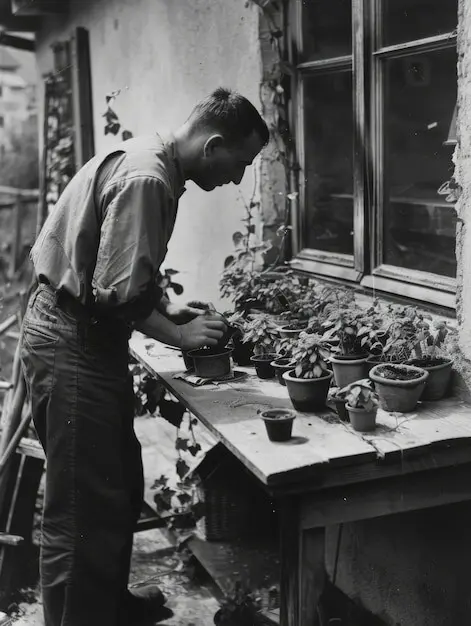
From Peaks to Ports: Crafting a Living Circle Across the Alps-to-Adriatic

Join us as we explore Cooperative Artisan Economies: Circular Production and Regenerative Tourism across the Alps-to-Adriatic, revealing how mountain cooperatives, coastal workshops, and village councils weave livelihoods that regenerate soils, rivers, and culture. Through vivid stories, practical methods, and measurable outcomes, discover how shared ownership and circular design help communities thrive while welcoming travelers to participate responsibly, learn generously, and leave every place healthier, wiser, and more connected than they found it.

Where Mountain Guilds Meet Ancient Sea Routes

Between the Dolomites, the Julian Alps, and the bright Adriatic, historic paths of salt, timber, wool, and wine still guide exchange. Today’s makers trace those lines, linking pasture huts, valley workshops, karst cellars, and small harbors into a continuous neighborhood that trades skills as eagerly as goods, so resilience grows with every crossing, every handshake, and every carefully mended basket carried from ridge to quay.

Alpine passes as shared workrooms

Seasonal migrations once moved flocks; now they also move techniques. When spinners, cheesemakers, dyers, and woodturners gather at high huts, offcuts and byproducts travel too, meeting inventive uses down-valley and seaside. Geography becomes a circular tool rather than a hurdle, transforming steep zigzags into braided collaboration, where each bend adds value and every descent delivers lessons back uphill for the next season’s experiments.
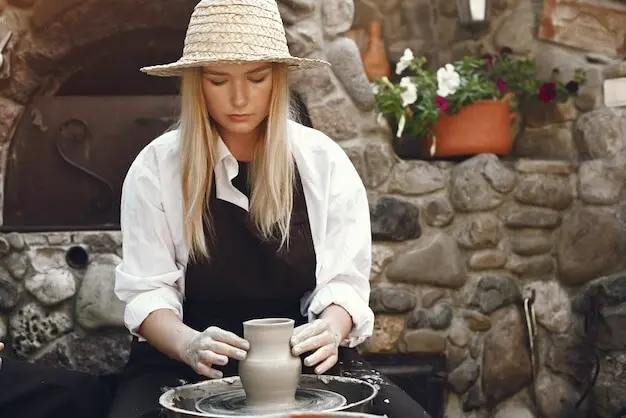
Rivers and railways as circular lifelines

From glacial streams to coastal rail spurs, waterways and tracks carry more than freight; they move ideas about reuse, repair, and fair distribution. Cheese rinds fortify coastal broths, olive pits fuel mountain kilns, and dye plants shuttle both directions. The corridor itself learns to breathe, exhaling surplus, inhaling needs, synchronizing timetables not only for cargo but for mentorship, storytelling, and solidarity.
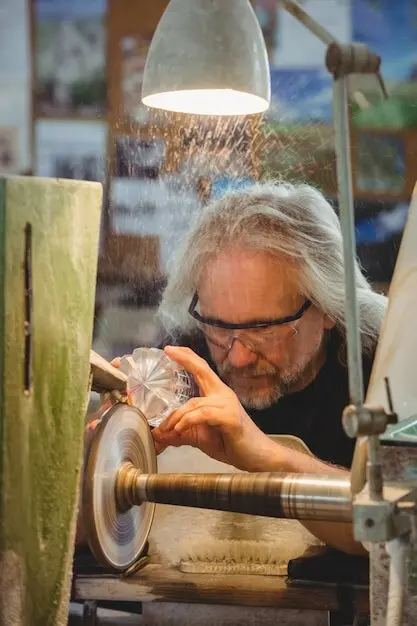
Harbors translating craft for distant neighbors

Small ports turn local dialects of craft into languages understood abroad without flattening character. Stevedores know which crates hold delicate rush seats, which require cool shade, which invite curious questions. Export becomes dialogue rather than extraction, inviting visiting buyers to meet cooperatives, tour workshops, and commit to circular standards that honor place, ensuring contracts carry clauses for stewardship, transparency, and long-term reciprocity.
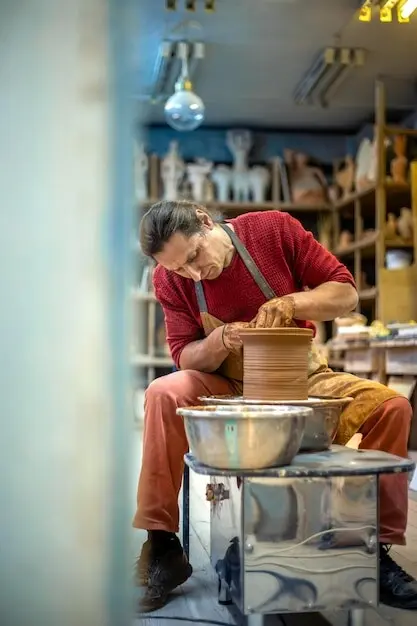
Shared Ownership That Outlasts Storms

Elders, apprentices, and the quorum under the linden tree

Meetings may gather in a town hall or beneath an old linden, yet the ritual is the same: elders share cautionary tales, apprentices present prototypes, and a quorum weighs purpose before profit. Voting rights reward participation, not merely investment. In that circle, mistakes become teachers, and bylaws protect intergenerational transfer so tomorrow’s chairmaker inherits both tools and a seat at the table.

Transparent ledgers, trusted neighbors

Trust is more than a warm feeling; it is a ledger anyone can read, prices anyone can explain, and margins anyone can defend. Cooperative books show where fibers came from, how waste was repurposed, and why wages sustain dignity. Transparency quiets rumors, thwarts exploitation, and invites customers to become collaborators who prepay subscriptions, volunteer time, and celebrate audited impact alongside finished goods.

Aggregation without erasing identity

A federation can negotiate fair shipping and shared marketing while safeguarding each workshop’s voice. Labels highlight village, maker, and method; collective catalogues amplify uniqueness rather than blur it. Bulk buying lowers costs for everyone, freeing budgets for training and experimentation. Diversity becomes the advantage, allowing oak, chestnut, wool, hemp, and reclaimed sailcloth to coexist without losing the songs embedded in their textures.

Designing Waste Out of the Workshop

Wool, whey, and wood offcuts become ingredients

Mountain dairies send whey to bakers for tangy loaves, while felters blend coarse wool with nettle fibers into hardy mats. Wood offcuts become inlays, toys, and kindling for biochar that feeds vineyard soils. Nothing languishes in a forgotten corner. Inventory lists include potential futures, assigning each remnant a job so value flows forward like spring snowmelt seeking fertile terraces below.

Repair tables on market day

Every Saturday, stalls selling baskets, knives, stools, and sweaters also host repair tables staffed by students and retirees. Visitors learn to stitch, sharpen, and reglue, turning small fixes into public theater. The ritual slows consumption, builds competence, and records saved resources. A notebook tallies mended seams and avoided emissions, proving celebration and stewardship can occupy the same cheerful, sawdust-scented square.

Material passports across the trail

Each product travels with a scannable card listing fiber origin, dyes, fasteners, finishes, and compatible repair methods. When an item reaches the coast for refurbishment, technicians know exactly how to disassemble and renew it. These passports map relationships as much as materials, forming an archipelago of accountability where every workshop trusts the next to honor intention, chemistry, and craft lineage.

Journeys That Give Back More Than They Take

Regenerative tourism along this corridor invites travelers to become stewards. Itineraries prioritize restoration days over selfie stops, partner with cooperatives, and price visits to fund habitat work and apprenticeships. Guides teach larch care, dye-plant harvesting, and river etiquette. Guests leave knowledge, compost, and donations behind, taking only stories and heirlooms that already wanted a long life in caring hands.

Slow lines between huts and harbors

Trails connect alpine refuges to fishing piers through orchards, vineyards, and commons where travelers help prune, glean, and mend fences. The pace invites attention: lichens on shingles, knots in rope, fingerprints in glaze. By walking, pedaling, and riding small local trains, visitors discover distances are teachers, and the map itself is an invitation to contribute, not merely consume.

Hosts who teach, not just serve

In place of anonymous beds, guests stay with cooperators who share morning routines: feeding goats, straining dye baths, testing chair rungs. Payment includes a learning hour, and farewells include a pledge to repair something back home. Hospitality becomes apprenticeship, strengthening appreciation for patient labor and ensuring souvenirs carry responsibility alongside beauty, so memory keeps working long after departure.

Field Notes: Letters from Makers, Guides, and Guests

Stories stitch this corridor together better than any invoice. Letters and voice notes circulate between valleys and coves, carrying gratitude, warnings, and bright ideas. A chair survives a flood; a dye batch fails before inspiring gentler mordants; a hiker repairs a backpack strap and learns patience. These are practical parables, reminding us resilience grows from shared, imperfect, determined practice.

Giulia’s ladder-back chair and the storm that spared it

When riverbanks swelled, Giulia’s workshop flooded. Weeks later, volunteers salvaged planks, and a single ladder-back chair, pegged without glue, dried true. Its mortises welcomed fresh rungs from storm-felled ash. She sold it with a note explaining design-for-disassembly, and the buyer joined the cooperative’s repair nights, turning near-loss into ongoing literacy about structure, humility, and beautiful second chances.

Matej’s whey soda that saved the summer fair

A shipment delay threatened drinks at the market, until Matej mixed lemon, herbs, and chilled whey from a neighboring dairy. The tangy fizz delighted crowds, diverted surplus from waste, and sparked a new product line. Profits funded bee-friendly plantings along the river path, and schoolchildren now tour both dairy and herb garden, learning to taste creativity in everyday constraints.

Join the Circle: Practice, Share, Subscribe

Your attention and action strengthen this living corridor. Follow makers, book regenerative stays, and choose goods with clear origins and repair paths. Support scholarships for apprentices, fund riparian plantings, and sponsor repair tables. Subscribe to updates, send questions, and propose collaborations. Every message helps refine standards, every visit can restore something, and every purchase signals a future where care compounds.
Gather neighbors for shared tool libraries, collective buying, and rotating workshops that turn compost, surplus fruit, and scrap fabric into local abundance. Draft simple bylaws, track transparent ledgers, and publish repair guides online. Small circles echo large ones, proving the Alps-to-Adriatic approach travels well, adapting to city blocks, rural lanes, or coastal towns eager to rebuild trust and capacity.
Pick fewer stops, stay longer, meet makers, and budget for conservation fees that flow directly to local projects. Ask hosts about repair nights, material passports, and circular practices. Pack light, carry a mending kit, and commit to bringing back skills rather than souvenirs. Share your route publicly, invite accountability, and document contributions so others can trace footsteps that heal.
After reading, tell us what worked, what confused, and what sparked action. Post comments, send voice notes from trails, or record short shop-floor videos. Pledge to repair one item this month, then report outcomes. We will publish aggregated results, celebrate experiments, and refine guidance together, turning a newsletter into a workshop powered by curiosity, candor, and steady, communal courage.
Narivaropalokarorino
Privacy Overview

This website uses cookies so that we can provide you with the best user experience possible. Cookie information is stored in your browser and performs functions such as recognising you when you return to our website and helping our team to understand which sections of the website you find most interesting and useful.